
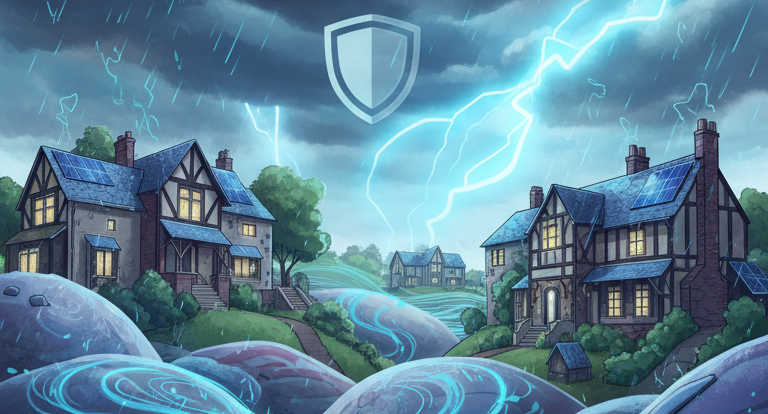
Shaker Heights Homeowners: Is Your Basement Secretly a Swamp? What You NEED to Know About Waterproofing!
That tell-tale damp spot. The musty odor that clings to everything stored downstairs. Or worse, the unmistakable glug-glug of standing water after an Ohio deluge. If you’re a Shaker Heights homeowner, these are not just unpleasant scenarios; they’re practically rites of passage. Our charming, historic homes, nestled in this beautiful corner of the world, face a unique set of challenges when it comes to keeping the basement dry. The age of many of our houses, coupled with our infamous clay soil and those brutal freeze-thaw cycles, can transform your basement from a potential asset into a soggy liability. But fear not, fellow residents! This isn’t a curse; it’s a problem we can solve.
The “Why Care?” – Beyond Just a Dry Floor
Basement waterproofing. It sounds so…technical. So…contractor-y. But strip away the jargon, and you’ll see it’s about much more than just a dry floor. It’s a comprehensive strategy, a shield protecting your most valuable asset.
Why is it such a big deal in Shaker Heights? Let’s count the ways:
- Health: Mold and mildew aren’t just unsightly; they’re silent invaders impacting your respiratory health. A dry basement is a healthier basement.
- Home Value: That damp, unusable space? With proper waterproofing, it becomes a valuable extension of your home, adding significant value to your property.
- Structural Integrity: Water is relentless. Over time, it can compromise your foundation, leading to costly repairs and even structural damage. Waterproofing safeguards your home’s very bones.
- Energy Bills: A damp basement is a cold basement. A dry basement is a better-insulated basement, saving you money on heating and cooling year-round. Think of it as an investment that pays you back!
- Pest Control: Dampness attracts unwanted guests, from creepy crawlies to rodents. A dry basement is a less hospitable environment for pests.
- Peace of Mind: Perhaps the most underrated benefit. Knowing your basement is protected allows you to sleep soundly through those Ohio thunderstorms, without the nagging worry of a potential flood.
A Trip Down Memory Lane: How Basements Got Their Start (and Their Leaks)
To truly understand the waterproofing challenges in Shaker Heights, we need a little history lesson. Picture those early homes, built in the 1900s and onwards. Constructed with stone, brick, and nascent concrete technologies, these foundations were often at the mercy of the elements.
Original “waterproofing” was rudimentary, to say the least. Think early versions of French drains – a debt we owe to Henry French from the 1850s – and basic tar coatings. Many homes simply lacked any effective drainage system. Water was more or less accepted as a fact of basement life.
And then there’s our unique Shaker Heights context. The region’s expansive clay soil, which expands and contracts dramatically with moisture changes, puts immense pressure on foundations. Add to that our aging infrastructure – those 100-year-old clay sewer pipes lurking beneath our lawns – and you’ve got a recipe for basement water woes. It’s a perfect storm of historical construction practices and geological realities.
The mid-20th century brought advancements. Cinder blocks became prevalent, eventually yielding to poured concrete. Post-WWII, as basements evolved from utilitarian spaces to integral parts of the home, the demand for effective waterproofing surged. We saw the rise of synthetic polymers, improved drainage techniques, and a boom in specialized contractors. However, the quality of these solutions and contractors varied widely.
Modern Solutions: Taming the Shaker Heights Torrent
Today, we have a range of sophisticated solutions to combat basement dampness. They generally fall into two categories:
- The “Inside Job” (Interior Waterproofing): This approach focuses on managing water after it enters your basement. Think interior French drains, sump pumps, and dehumidifiers. It’s less disruptive and often quicker to implement. However, it doesn’t stop the water from entering the walls in the first place, which can still lead to deterioration over time.
- The “Outside Battle” (Exterior Waterproofing): This is about stopping water before it gets anywhere near your foundation. It involves excavation, applying waterproof membranes, installing exterior French drains, and ensuring proper grading around your home. It’s a more comprehensive approach, tackling the root cause of the problem. However, it’s also more invasive, costly, and can be tricky to implement on historic homes.
In reality, the “Best of Both Worlds” is often the ideal solution. A combination of interior and exterior strategies provides the most robust and long-lasting protection. And let’s not forget the modern heroes: flexible membranes, crystalline waterproofing agents, and advanced coatings, all working to create an impenetrable barrier against moisture.
The Dark Side: Controversies, Scams, and Avoiding Disasters
Now, let’s talk about the less glamorous side of waterproofing. The industry isn’t without its controversies and potential pitfalls.
One of the biggest debates is the “Interior vs. Exterior” dilemma. Some contractors aggressively push one solution over the other, often based on their own expertise or profit margins. But the right solution depends entirely on your specific home, the nature of the problem, and the underlying geological conditions.
Beware of common pitfalls and DIY disasters. Waterproof paint is not a solution for serious leaks. Simply sealing cracks is like putting a band-aid on a broken leg. And neglecting exterior drainage while focusing solely on the interior is akin to rearranging deck chairs on the Titanic.
And then there are the outright scams. High-pressure sales tactics (“Act NOW or your house will collapse!”), prices that seem too good to be true, vague warranties, and contractors who only offer one solution regardless of the problem – these are all red flags.
Crucial tip:
Get multiple quotes from different contractors. Check their references thoroughly. Verify their licenses and insurance. Do your homework!
Looking Ahead: The Future of Dry Basements (and Smart Homes)
The future of basement waterproofing is exciting! Imagine “smart basements” equipped with sensors that alert your phone the moment a drip appears. Envision AI-powered humidity control systems and smart sump pumps with battery backups that kick in automatically during power outages.
We’re even seeing the development of self-healing materials – coatings that can repair themselves! Eco-friendly solutions, such as green materials, low-VOC products, and sustainable drainage systems, are becoming increasingly prevalent. And who knows, perhaps one day we’ll have robots that can perform precision inspections and apply waterproofing materials in those hard-to-reach spots.
For Shaker Heights homeowners, this means that even our older homes can benefit from these cutting-edge advancements, making waterproofing more efficient, less disruptive, and more sustainable.
Your Action Plan for a Dry Shaker Heights Basement
So, what can you do today to protect your basement?
- Be Proactive: Conduct regular inspections, especially in the spring and fall. Look for cracks, efflorescence (those tell-tale white, powdery deposits), and musty smells.
- Professional Assessment is Key: Especially for older Shaker Heights homes. Engage a local expert who understands our unique construction styles, clay soil, and freeze-thaw cycles.
- Ask the Right Questions: How do they address clay soil issues? What type of warranty do they offer? Do they have experience with historic homes?
- Maintain Exterior Drainage: Clean your gutters, extend your downspouts, and ensure proper yard grading to direct water away from your foundation.
- Don’t DIY Major Issues: When in doubt, call in the pros!
Call to Action
Ready to banish basement dampness for good? Don’t wait for the next big storm. Contact a reputable Shaker Heights waterproofing specialist for a free, no-obligation inspection today!
What are your biggest basement waterproofing concerns? Share your experiences with waterproofing in Shaker Heights in the comments below!
